
Restoring the balance between humankind and nature
Equalium creates centres of demonstration, training and research for the sustainable autonomy of territories — targeting the rural regions of Latin America still left aside by infrastructure, from the Andes to Mesoamerica.
A broken balance
Dominant development depletes resources and erases the know-how that ensured the autonomy of territories.
In a region like Cauca, Colombia, 189 localities still live without electricity — while the knowledge that allowed people to live there in harmony with their surroundings disappears.
Another balance is possible
And it can be demonstrated, taught and reproduced — not through a return to the past, but by reconciling modern engineering and ancestral knowledge.
The five pillars of a balanced human habitat
A living system where each pillar nourishes the others — the human being at the centre.
Our mission
In a single place, bringing together the five dimensions of sustainable autonomy in order to:
Demonstrate
Prove by example that an autonomous and regenerative way of life is viable.
Transmit
Train through practice, local communities first.
Research
Document the solutions suited to each territory.
Spread
Support the replication of the model elsewhere.
A proven model
Equalium is not inventing an isolated model. Pioneering centres already prove it: the Instituto Chaikuni in the Peruvian Amazon, the Barefoot College in India and 96 countries, the Centre for Alternative Technology in Wales for fifty years. We adapt this proven model to the rural regions of Latin America — from the Andean corridor to the Mesoamerican highlands — where it does not yet exist — contributing to eight Sustainable Development Goals of the United Nations.
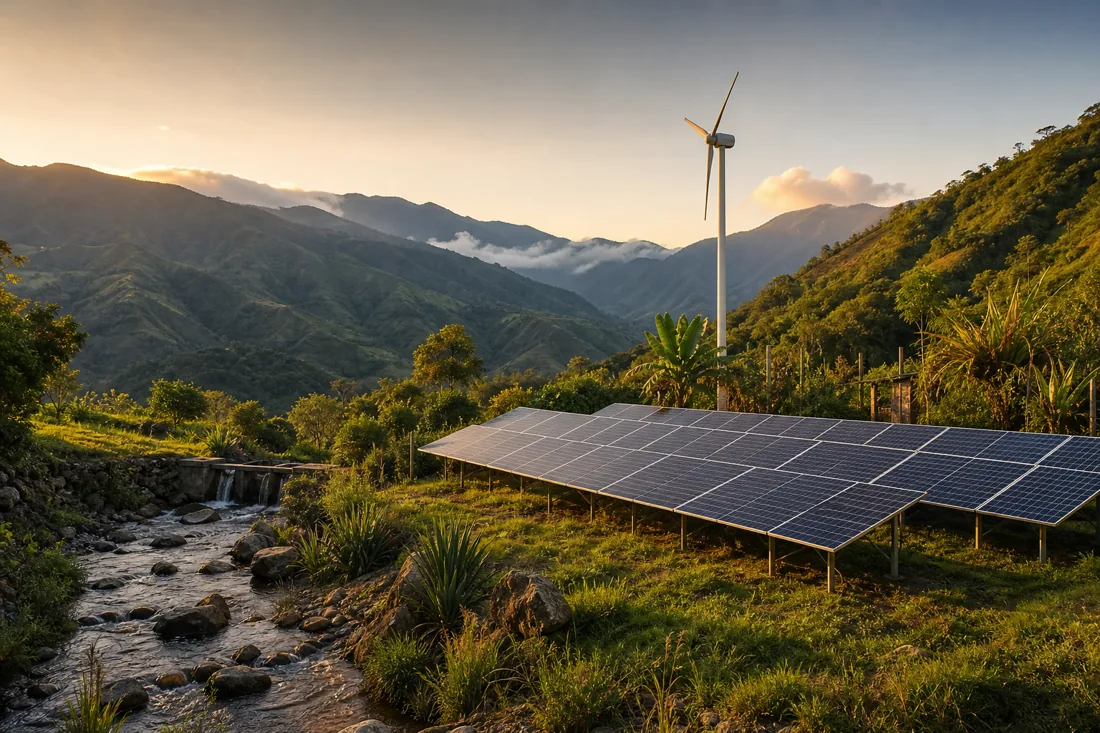
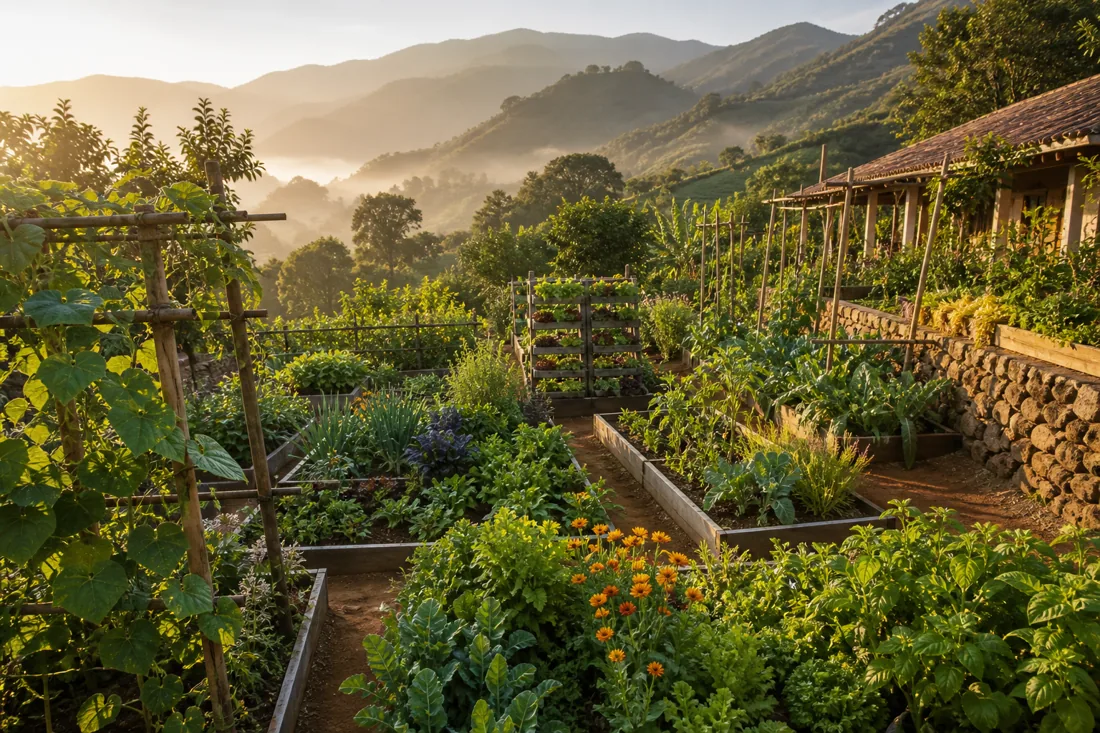
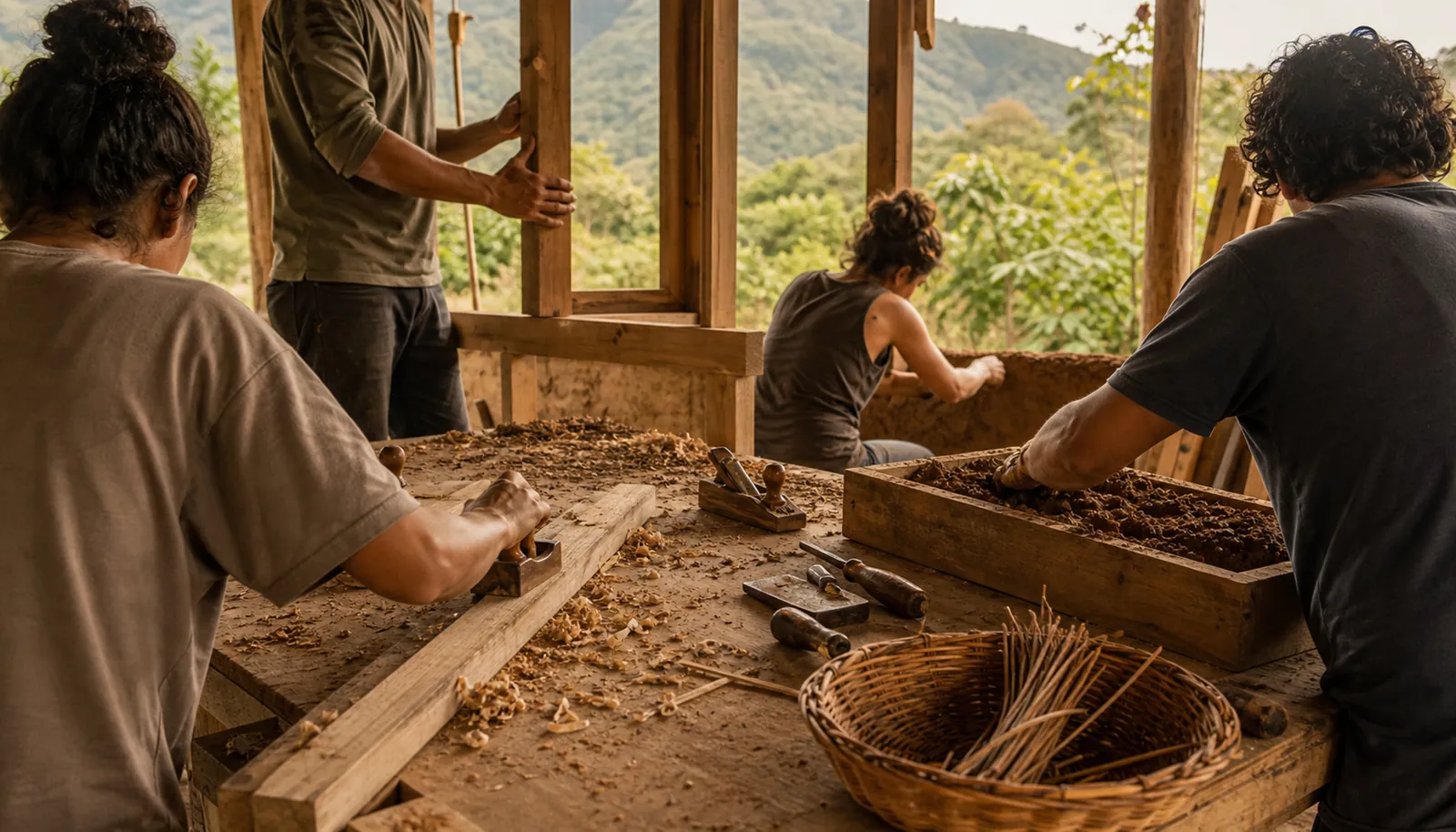
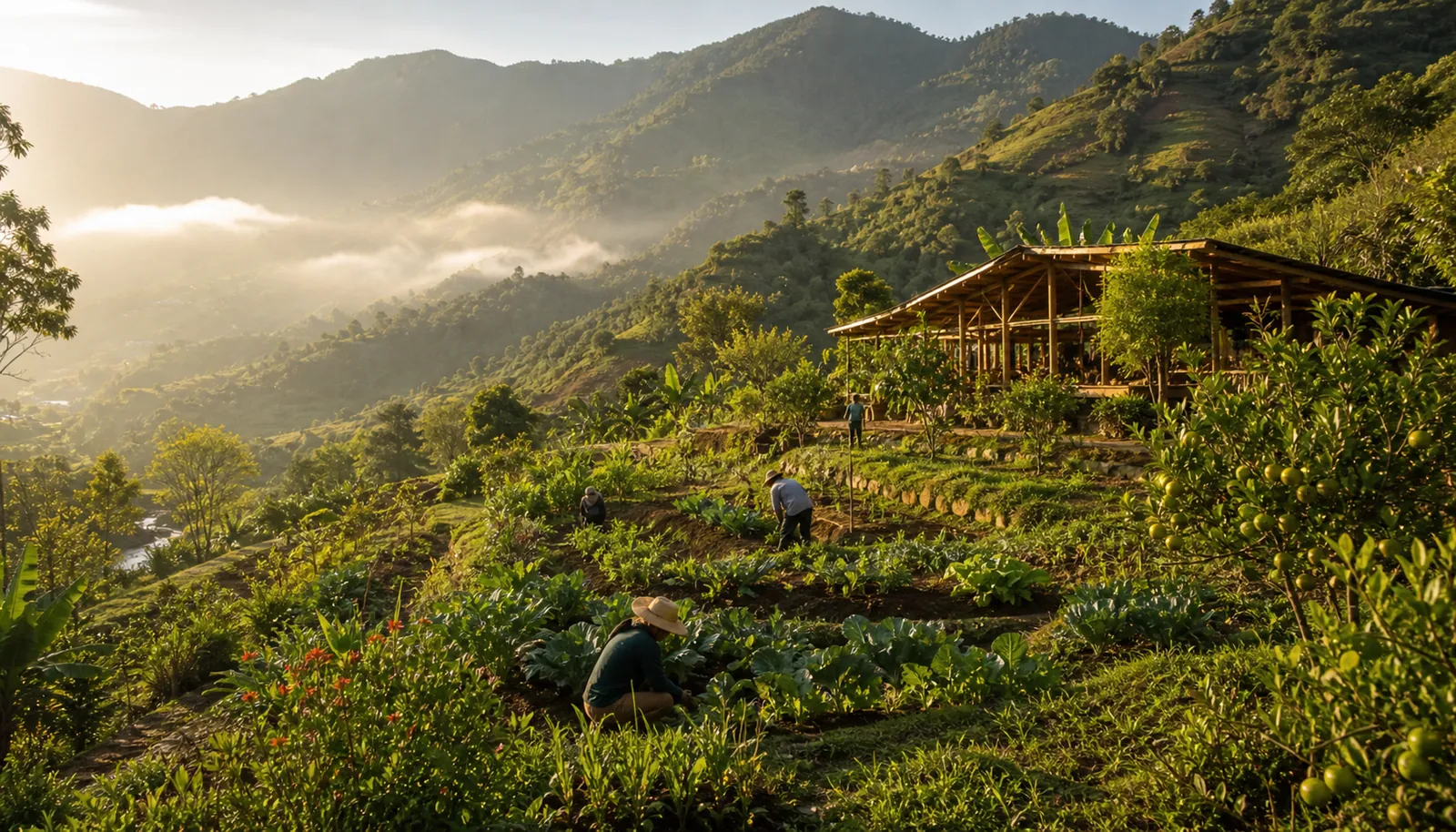
A living place to demonstrate and transmit
The first centre will take root in a rural region of Latin America that meets these challenges — for example Valle del Cauca in Colombia, or Chiapas and Oaxaca in Mexico: a campus-laboratory-farm-school where modern science and traditional knowledge dialogue daily.
Let us build this balance together
Support the foundation, become a partner or join a training programme.